Beginnings: My first encounter with snow
I first stepped onto a ski slope when I was two. My equipment felt heavy, and I had no technique to speak of. I simply let gravity carry me, slowly and unsteadily, down a gentle incline. Yet the cold air brushing my face and the strange sensation of moving across snow captivated me. Something began in that moment.
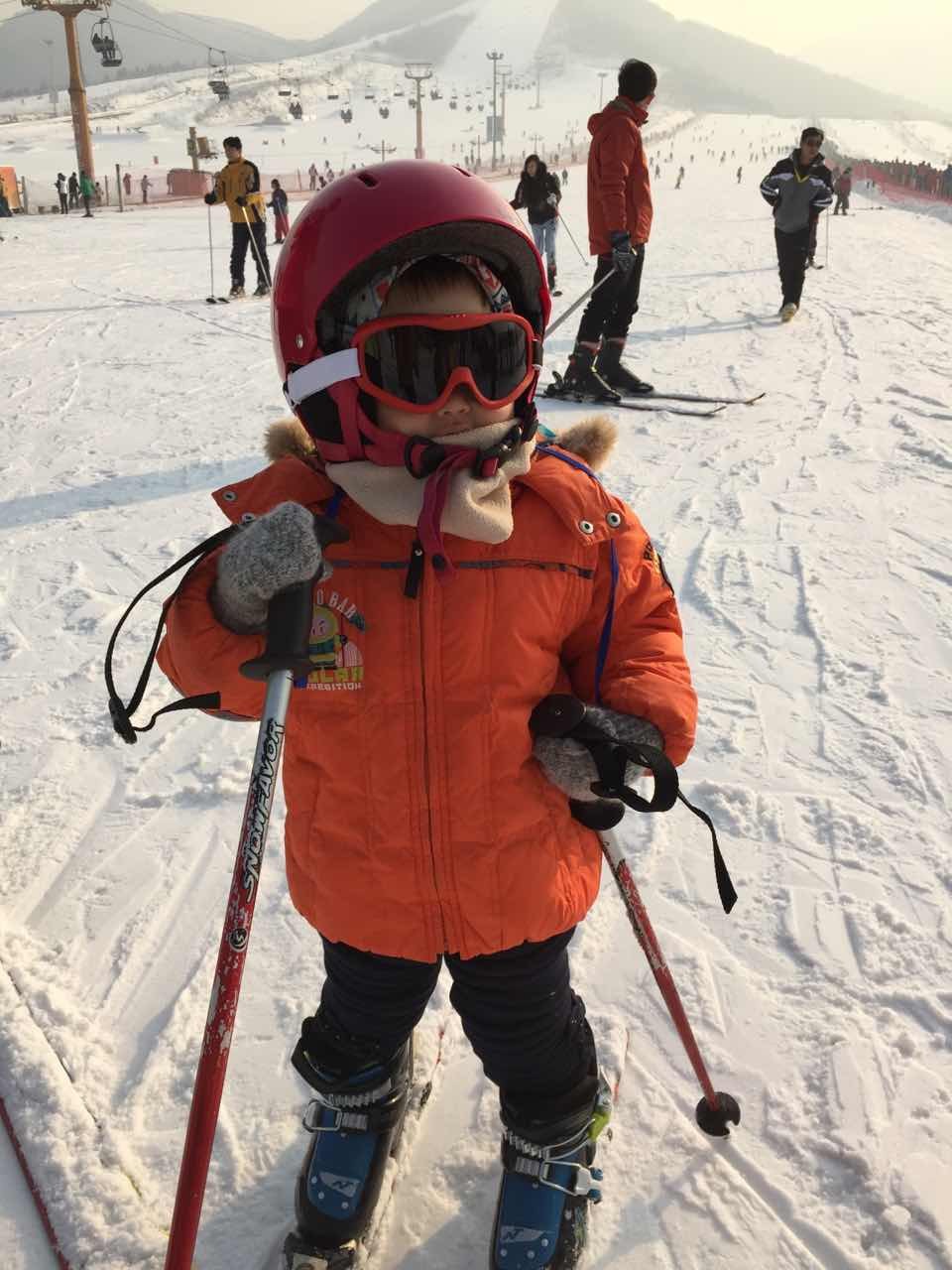
By my second winter, I had my first pair of skis and began learning in earnest at Wanlong Resort in Chongli. The skis seemed to extend my feet and set my curiosity free. Before long, I was no longer content to follow closely behind an instructor; I wanted to explore every corner of the mountain for myself.
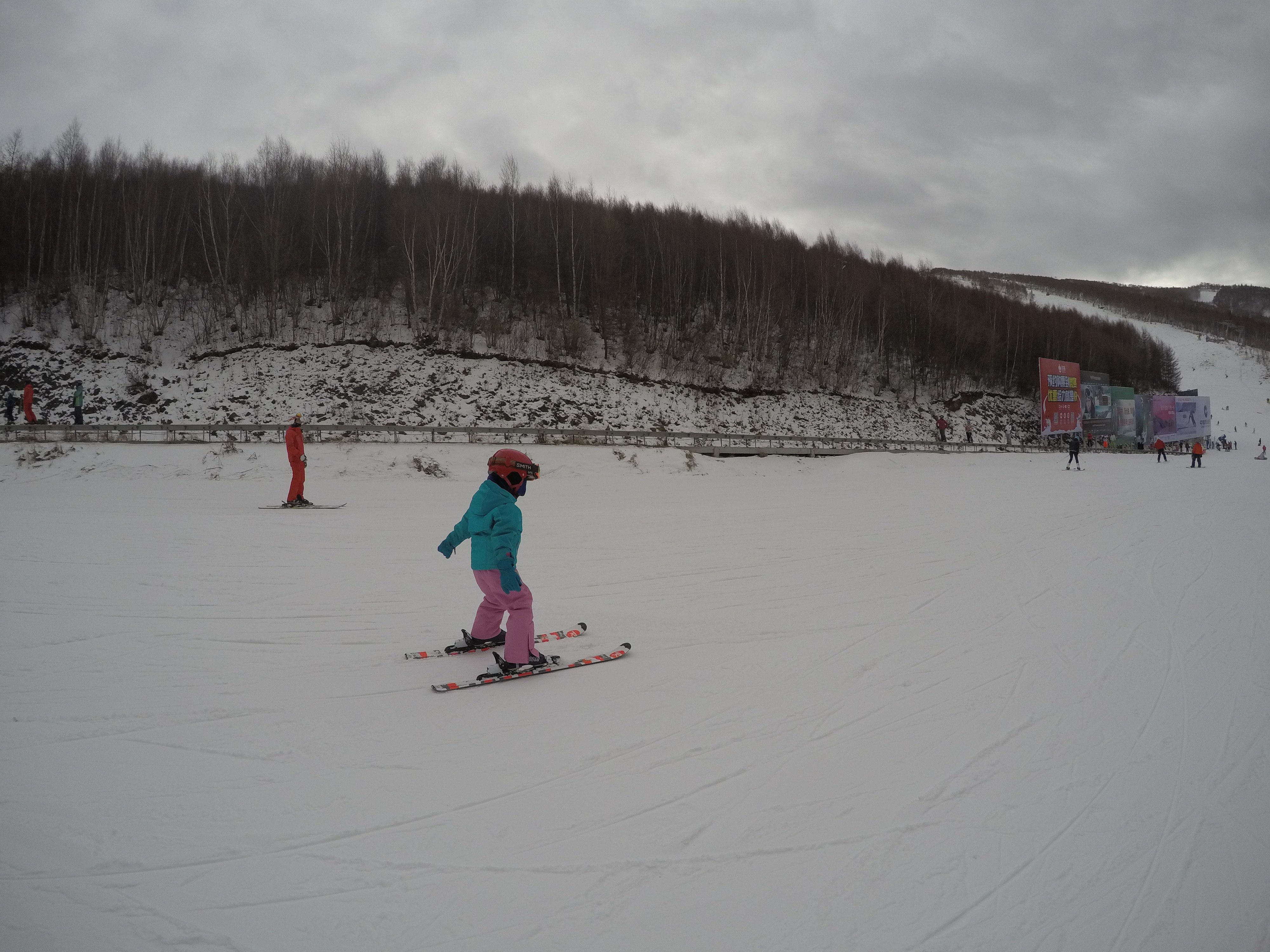
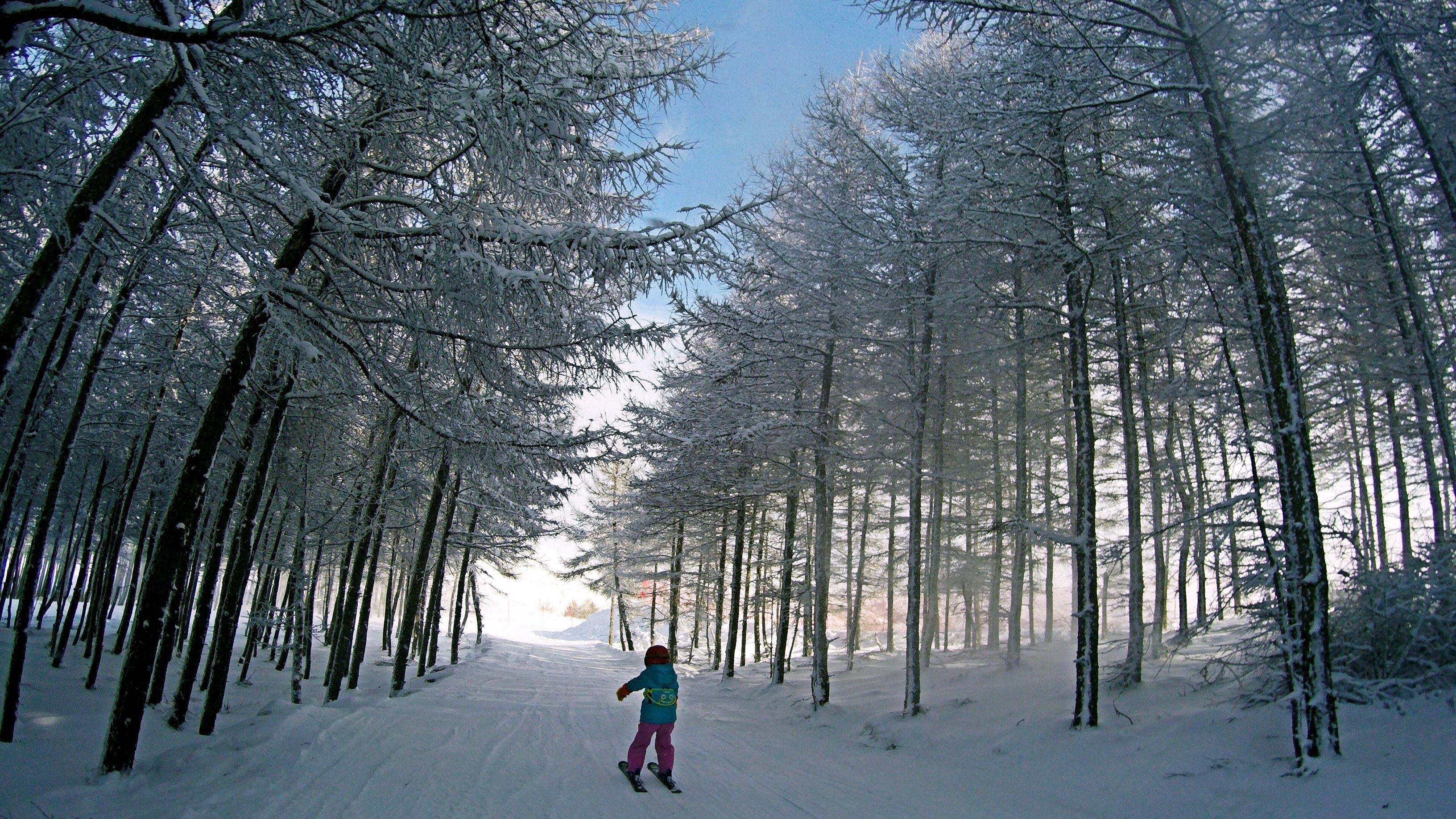
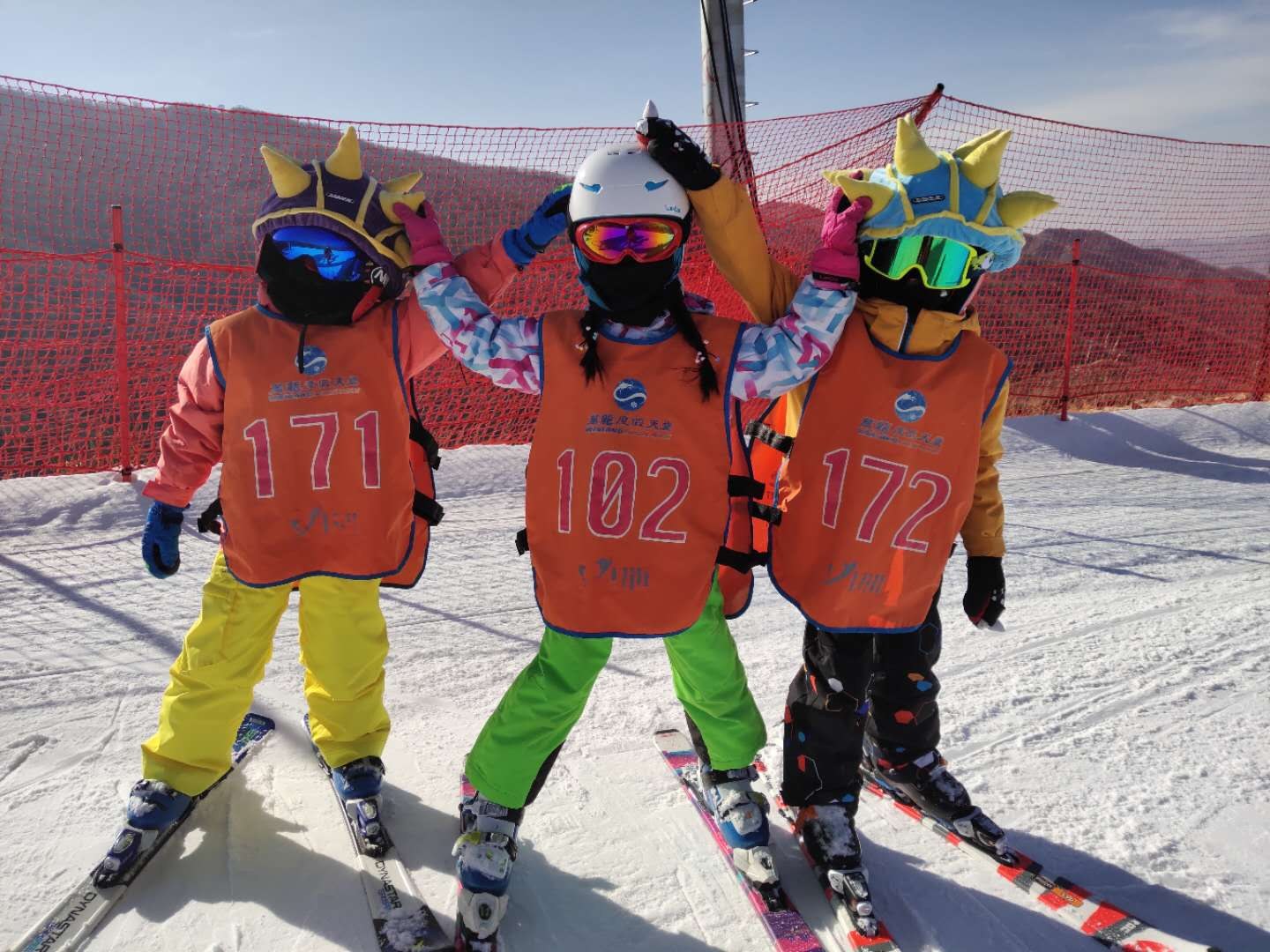
The slopes became more than a playground. They were also where I formed some of my earliest friendships. At winter camps, my friends and I chased one another down the runs and shared hot chocolate during breaks. Their laughter made even the coldest landscape feel warm.
When passion became competition
By the time I started school, I had skied many of Chongli’s resorts and trails. The mountain had become a familiar companion, and every descent was a new exploration of freedom, speed, and control.
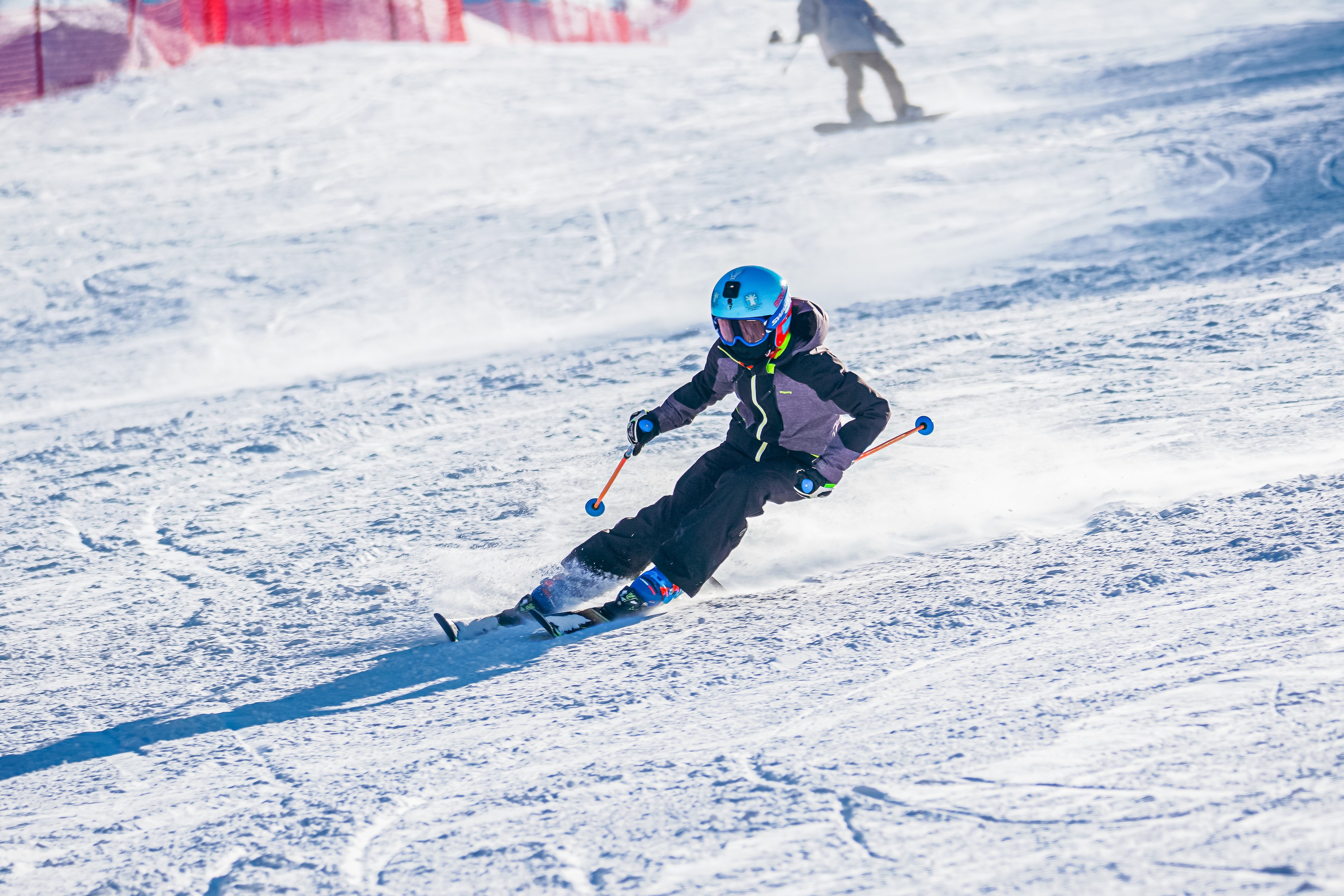
An instructor noticed my commitment and suggested that I try competitive training. Eager to ski faster and refine my technique, I joined a racing club and entered the demanding world of alpine competition.
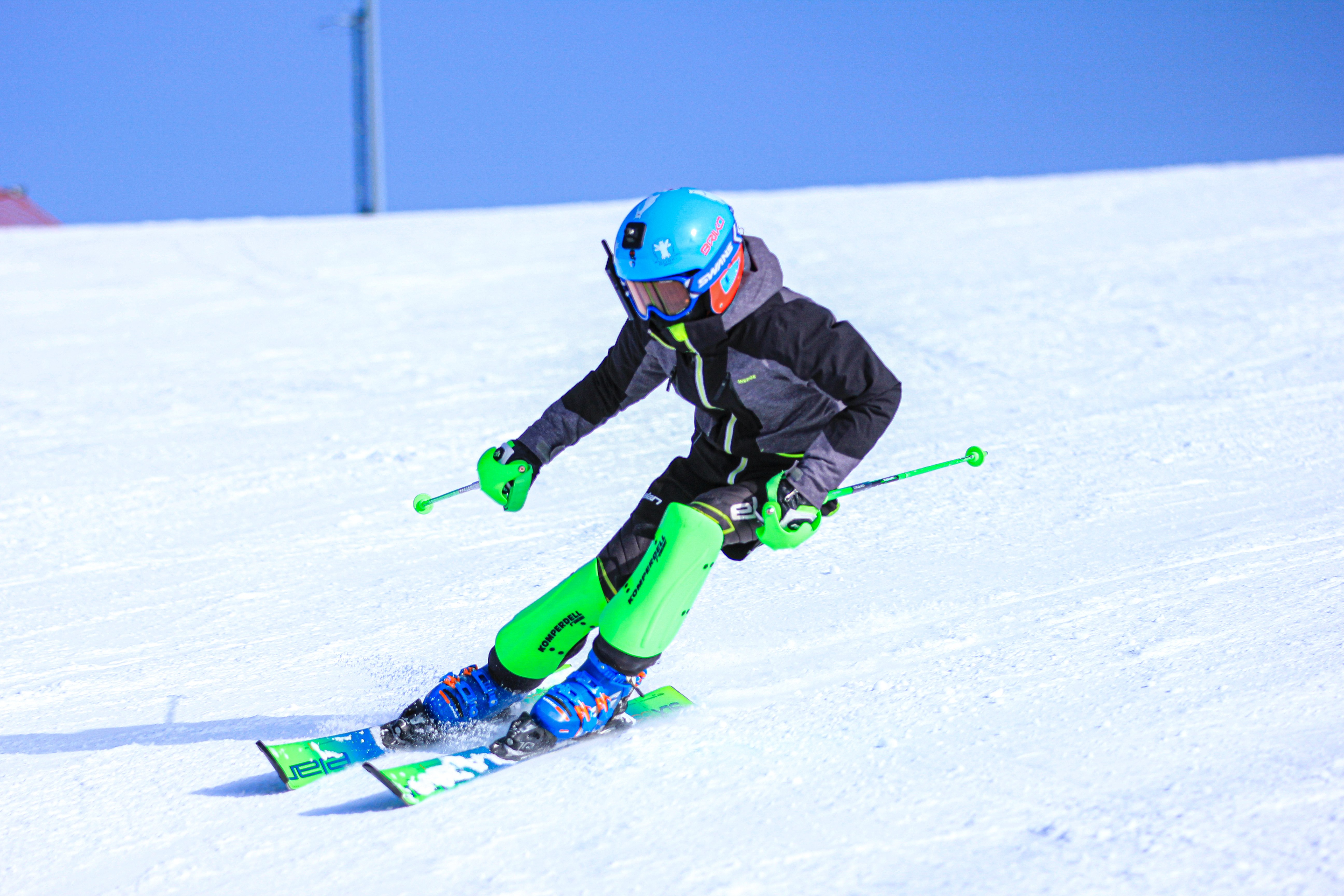
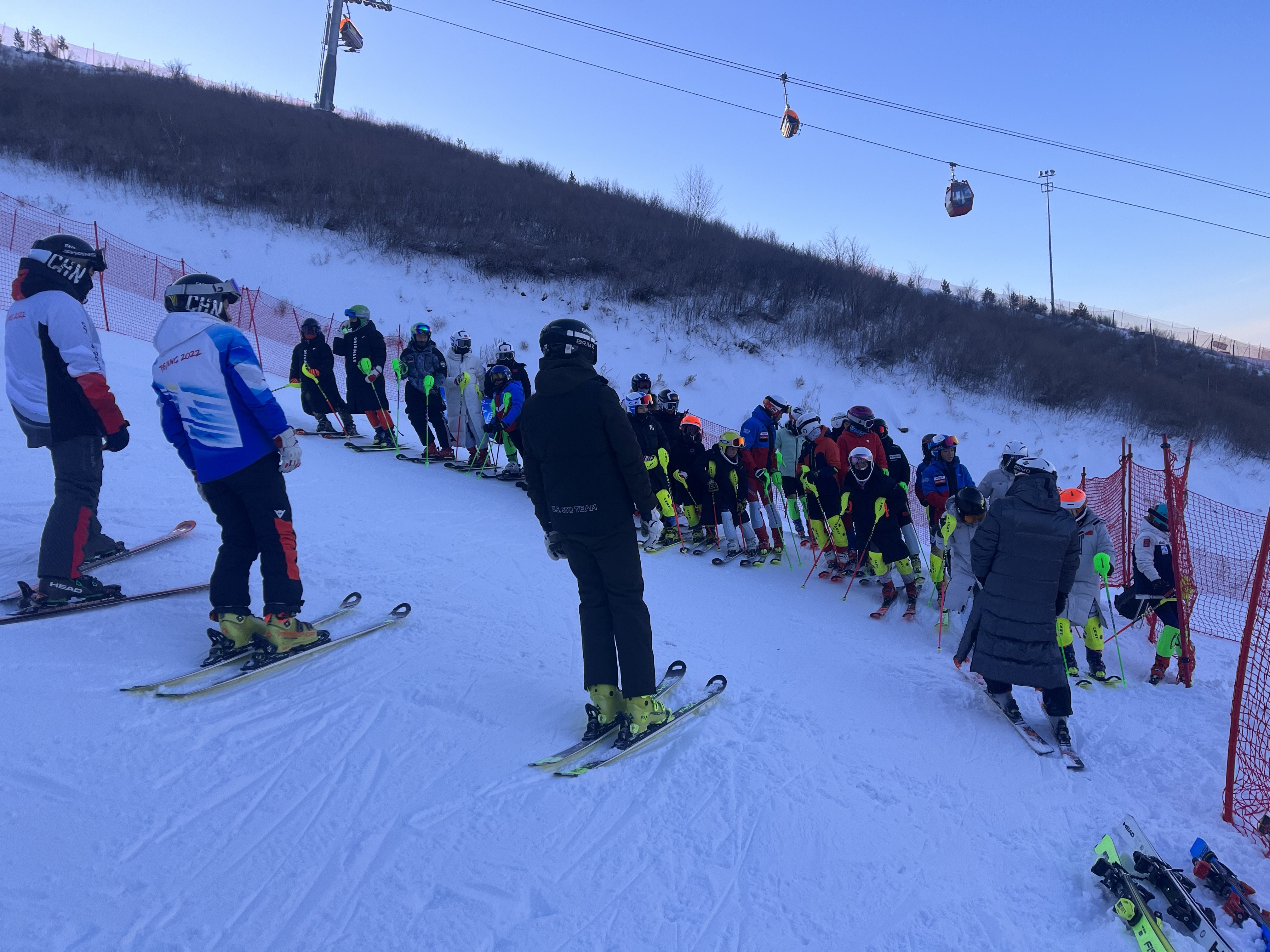
Passion got me started; repetition taught me how to persist. During the pandemic years, my winters followed two precise, parallel tracks: training and school.
- 5:00 a.m. Wake up, prepare more than five kilograms of equipment, eat breakfast, and get ready in the winter darkness.
- 7:00 a.m. Arrive at the mountain, put on my boots and skis, and begin several hours of intensive training.
- 2:00 p.m. Finish on-snow training, return home, recover, and stretch.
- Afternoon and evening Shift my full attention to schoolwork and complete the day’s assignments.
- 9:00 p.m. Go to bed so my body can recover for the next day.
Balancing training and school taught me to manage my time, work under pressure, and remain focused when I was tired—and persistent when I was cold.
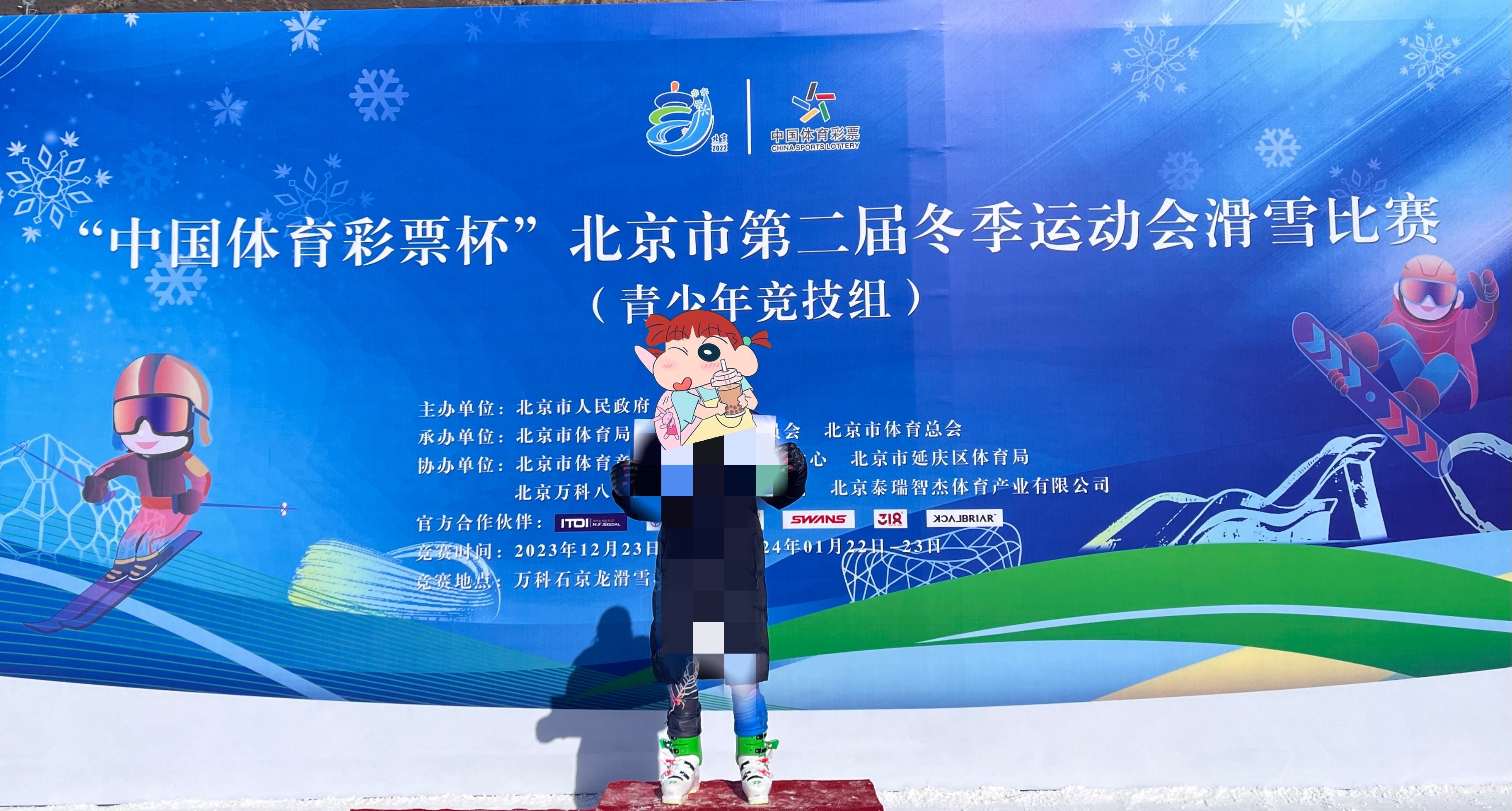
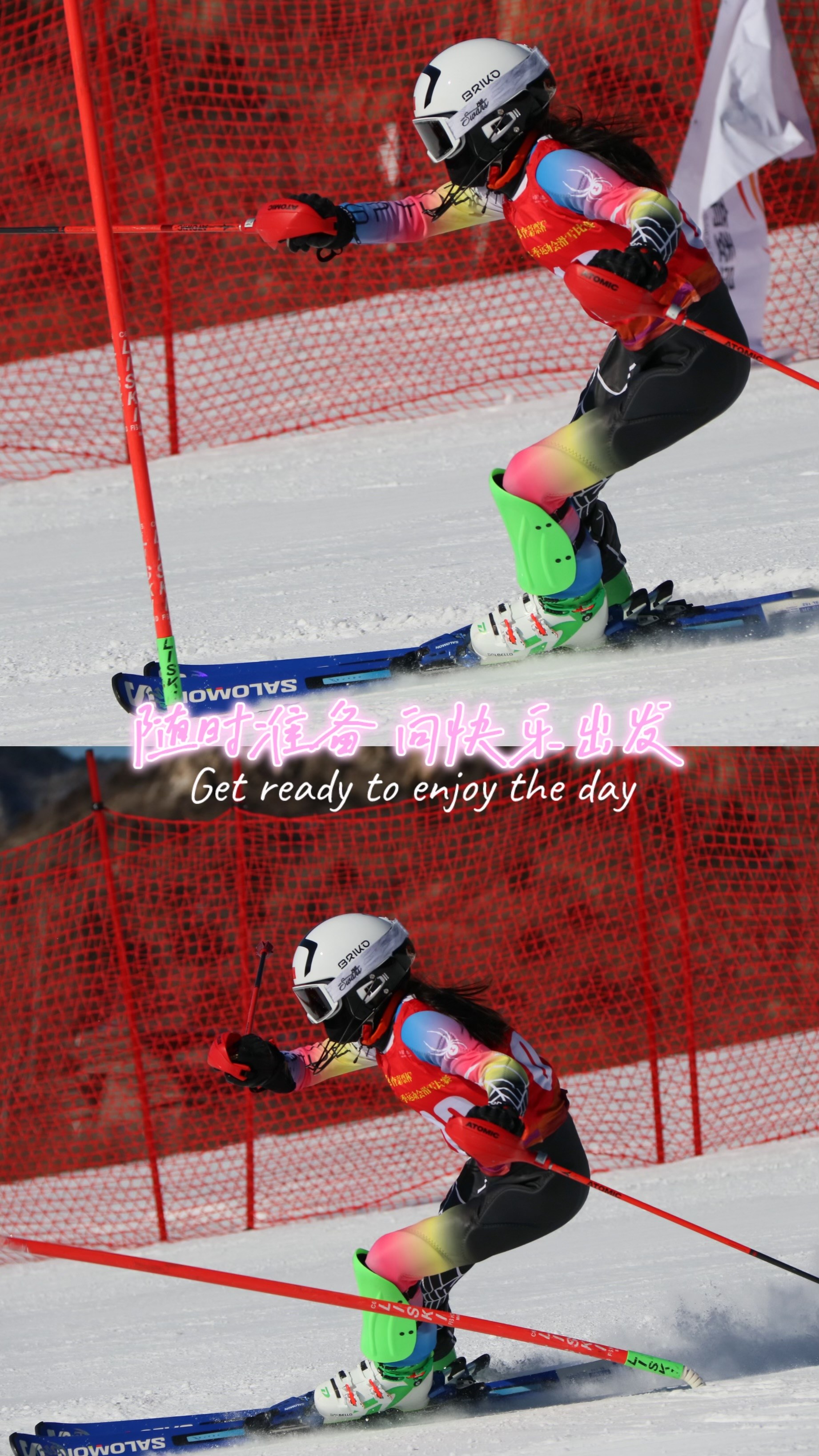
The effort gradually showed in my results. I began competing in U-series and other youth ski races, gaining experience through every start, mistake, and finish—and earning achievements that mattered deeply to me.
When effort did not bring an immediate answer
Competitive sport taught me a difficult truth: results do not improve automatically simply because you have worked hard.
At eleven, I went through a rapid growth spurt and soon stood over 170 centimetres tall. Alpine skiing depends on precise balance and agility, so the sudden change in my proportions forced me to reconsider and rebuild many movements that had once felt natural.
The training continued, but the times on the clock stopped improving and sometimes became slower. As teammates began to overtake me, I experienced uncertainty and self-doubt on a scale I had never known before. The mountain that had once given me such joy and confidence suddenly felt heavy.
That period forced me to accept that more training alone cannot solve every problem immediately. Resilience is not only about pushing through discomfort. It also requires the honesty to face change and the patience to rethink both your body and your goals.
Beyond the setback, a wider mountain
A family ski trip abroad became a turning point.
Away from the red and blue gates of the racecourse, I stood among open mountains and natural powder and saw another side of skiing. I watched older skiers glide lightly through the trees and young children tumble into the snow, laugh, and climb back up. People were skiing simply because the sun was bright, the snow was good, and moving freely made them feel alive.
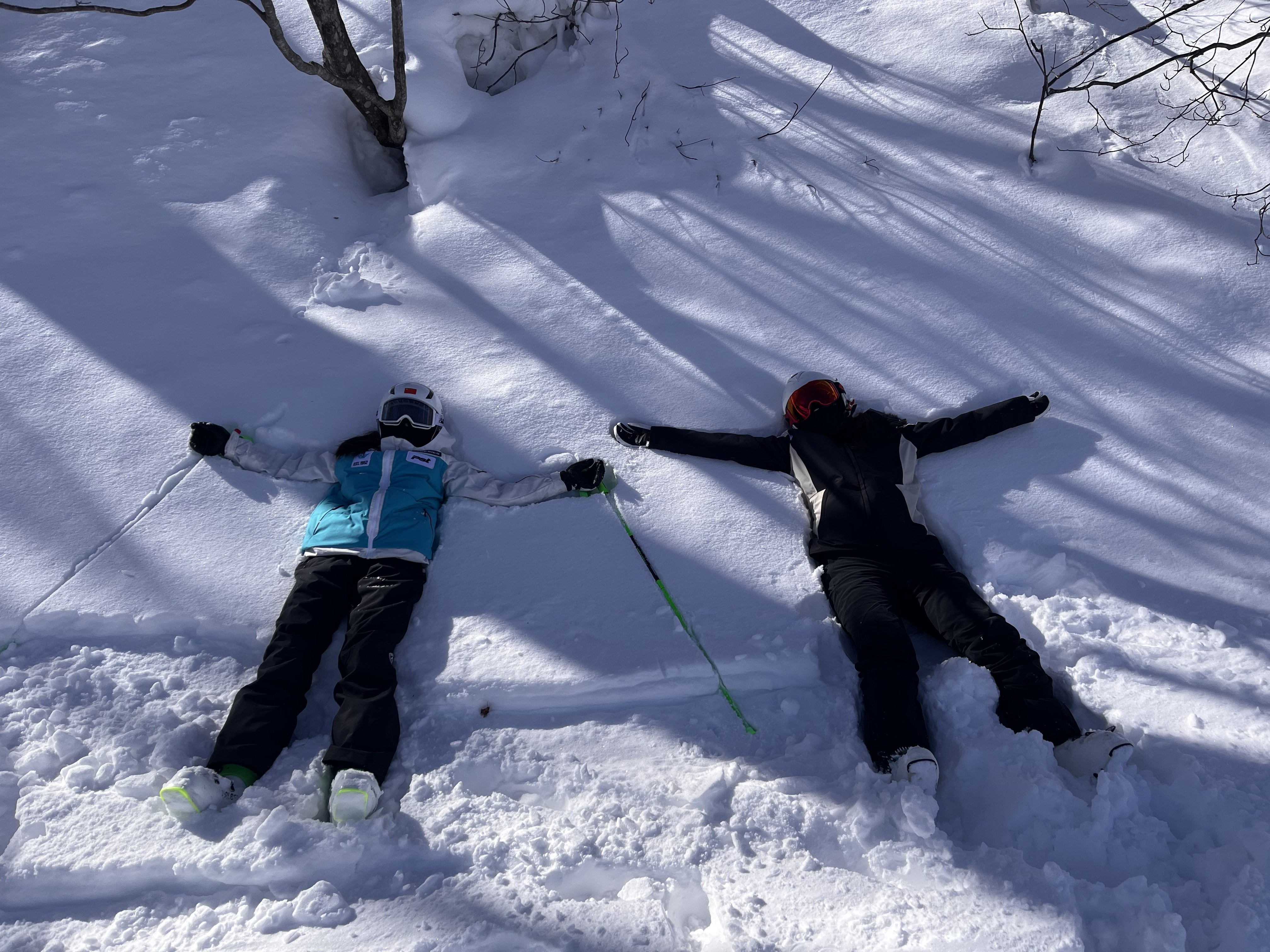
In that moment, I began to make peace with my anxiety and reconsider what skiing meant to me.
I may not become the professional alpine skier standing at the very top of the podium. But skiing can still give me a richer, more resilient heart.
Skiing has taught me far more than how to cross a finish line in less time:
- To remain disciplined through cold, fatigue, and solitude;
- To brush off the snow, stand up, and try again after a fall;
- To adapt when my body or circumstances change—and to reconsider what success means.
That difficult period did not end my story with skiing. Instead, it freed me from judging myself by winning and losing alone. My focus widened from defeating an opponent to exploring the world—and understanding myself.
I will carry the resilience, discipline, and curiosity I found on the mountain into whatever comes next. This is my skiing story, and my story of growing up. It is still being written.